




£135.00
Metabolic Health
Our Metabolic Health Panel can give you valuable insights into how your body is functioning.
This test measures key health markers related to metabolism – including those linked to insulin resistance, cholesterol balance, and inflammation.
It’s designed to help you understand your risk for metabolic conditions such as Type 2 Diabetes and cardiovascular disease.
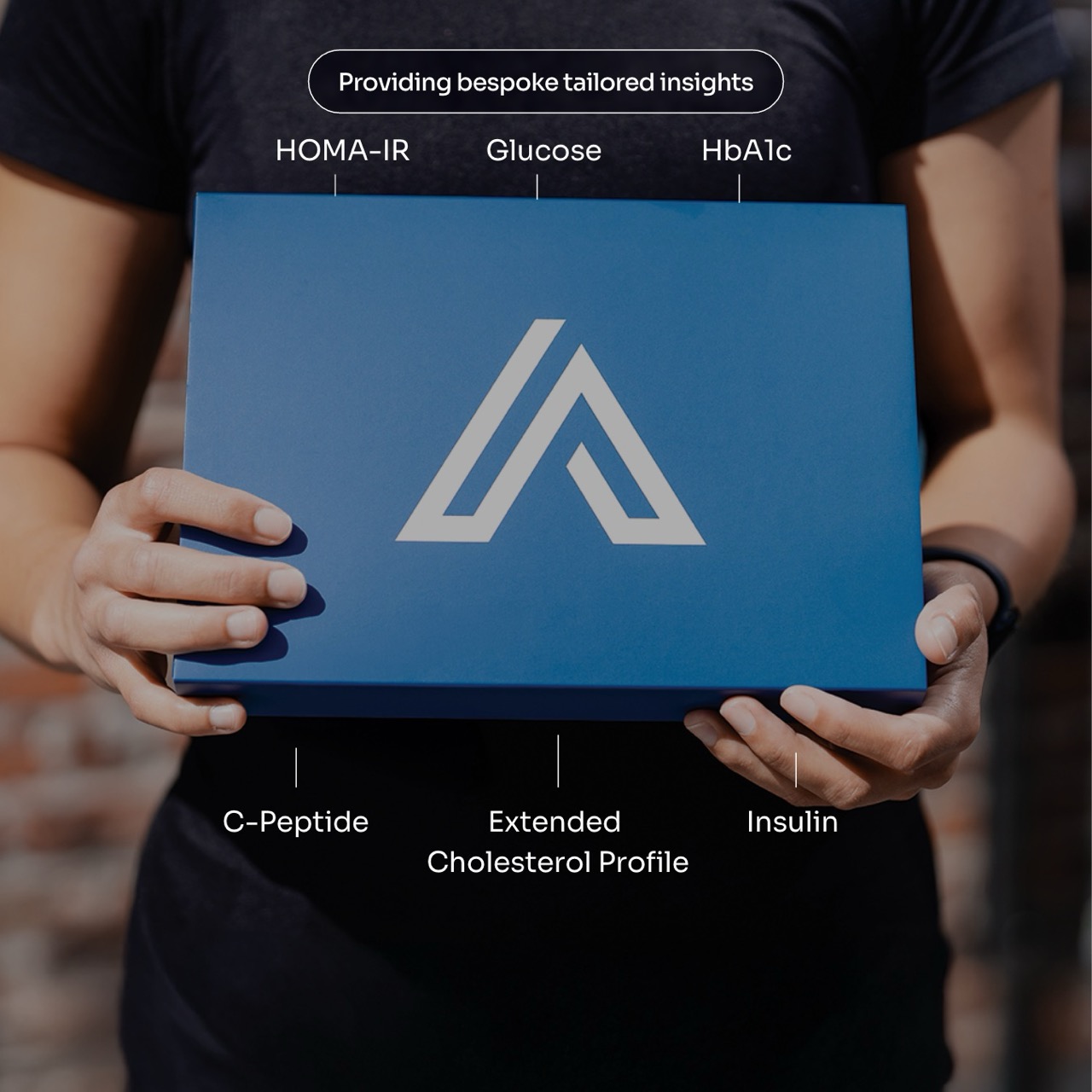
- HOMA-IR
- Extended Cholesterol Profile
- Leptin
- Resistin
Choose a test location:
What's included in the test?
This test includes a total of 18 biomarkers.
- Extended Lipids (Cholesterol)11
- Infection & Inflammation2
- Diabetes Health5
-
Total Cholesterol
A total cholesterol blood test measures the overall amount of cholesterol in your blood, including both HDL and LDL cholesterol.
-
LDL
Commonly known as ‘bad’ cholesterol, LDL is a fat that circulates in the blood, moving cholesterol around the blood stream.
-
HDL
Commonly known as ‘good’ cholesterol, HDL carries LDL (bad) cholesterol away from the arteries and back to the liver.
-
Triglycerides
A type of fat that is the most common type of fat in the blood, used by the body for energy.
-
Apolipoprotein A-I
Apo A1 is a major component of HDL cholesterol and is involved in removing excess cholesterol from the body.
-
Apolipoprotein B
ApoB is a protein essential for carrying cholesterol and other fats throughout your body – with high levels are associated with an increased risk of cardiovascular disease and LDL.
-
Apolipoprotein CII
ApoC-II is a protein involved in the breakdown of fats (triglycerides) in the bloodstream.
-
Apolipoprotein CIII
Apo C-III is an important protein involved in triglyceride metabolism, Elevated levels are linked to increased risk of cardiovascular disease
-
Apolipoprotein E
Apolipoprotein E is a protein involved in the breakdown of fats. ApoE test can help identify the role of genetic factors in cardiovascular disease.
-
Small LDL Cholesterol
This test measures the different subfractions of lipids, such as low-density lipoprotein (LDL), high-density lipoprotein (HDL), and very low-density lipoprotein (VLDL).
-
Lipoprotein (a)
Lipoprotein (a) helps carry cholesterol through your bloodstream to your cells. High Lp(a) levels are associated with increased risk of atherosclerosis (plaque buildup in arteries), heart attacks, and strokes.
-
High Sensitivity C-Reactive Protein (hsCRP)
The high-sensitivity C-reactive protein (hs-CRP) test is a blood test that finds lower levels of C-reactive protein (CRP). Hs-CRP tests can help identify more cardiovascular issues and chronic inflammation over the long term.
-
C-Reactive Protein (CRP)
C-reactive protein is a protein produced by the liver, concentrations rise in response to inflammation. A high or increasing amount of CRP in your blood can suggest that you have an acute infection or inflammation.
-
Glucose
A blood glucose test is used to find out if your blood sugar levels are in a healthy range. It can be used to help diagnose and monitor diabetes.
-
HbA1c
An HbA1c blood test, also known as a glycated hemoglobin test, is a blood test that measures your average blood sugar levels over the past 2-3 months.
-
Insulin
Insulin is a hormone that your pancreas makes. It helps move blood glucose (blood sugar) from your bloodstream into your cells where it’s used for energy. Testing measures the amount of insulin, the hormone that lets cells take in glucose.
-
C-Peptide
C-peptide is a substance produced by the pancreas at the same time as insulin, and it helps assess how much insulin your body is producing naturally.
-
HOMA-IR
Explore Our Other Tests
Why not explore our other tests, or take our quiz to find whats right for you


