



£180.00
Tired All the Time
Struggling with low energy, persistent tiredness, or mental fog?
Our tired all the time test is designed to explore common underlying causes of fatigue -including iron deficiency, vitamin D deficiency, and thyroid dysfunction.
By identifying what’s behind your symptoms, it can help guide the next steps toward improving your energy, focus, and overall wellbeing.
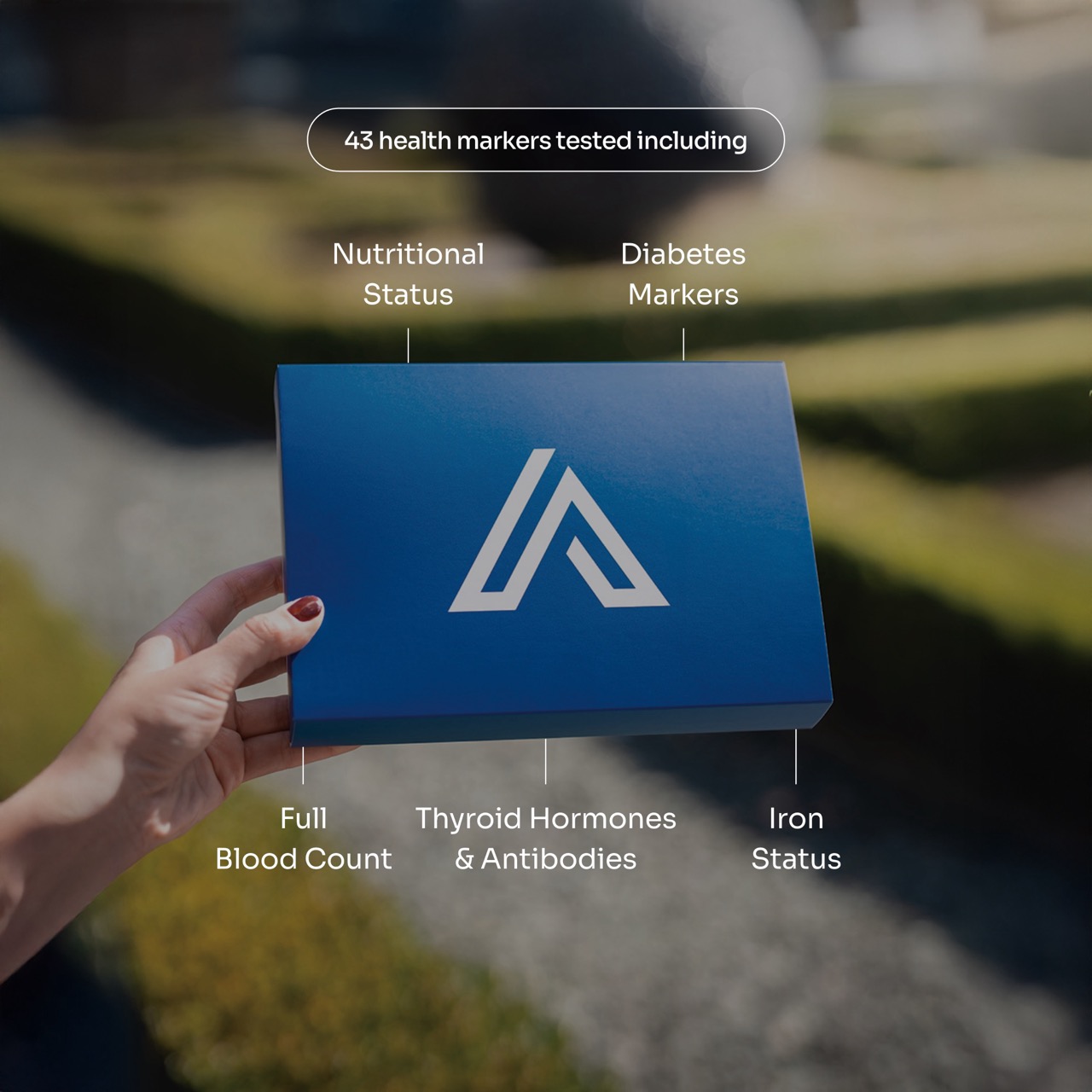
43 health markers including:
- Iron Status
- Diabetes Markers
- Nutritional Status
- Thyroid Hormones & Antibodies
Choose a test location:
What's included in the test?
This test includes a total of 43 Health Markers.
- Full Blood Count13
- Iron Status5
- Diabetes Health4
- Bone Health4
- Thyroid Health5
- Infection & Inflammation1
- Kidney Health10
- Nutritional Health7
- Full Blood Count13
- Iron Status5
- Diabetes Health4
- Bone Health4
- Thyroid Health5
- Infection & Inflammation1
- Kidney Health10
- Nutritional Health7
-
Haemoglobin
An iron-containing protein within red blood cells responsible for transporting oxygen.
-
Hematocrit
A measurement of the volume of red blood cells compared to the total blood volume (red blood cells and plasma).
-
Mean Cell Haemoglobin (MCH)
A measurement of the average amount of haemoglobin in a single red blood cell.
-
Mean Corpuscular Haemoglobin Concentration (MCHC)
A measurement of haemoglobin concentration in a red blood cell relative to the cells volume.
-
Red Blood Cells
A component of blood that carries oxygen and carbon dioxide around the body.
-
Mean Cell Volume (MCV)
A measurement of the mean size of red blood cells.
-
Basophils
A type of immune white blood cell, found in the blood with enzymes that are released during allergic reactions.
-
Lymphocytes
A type of immune white blood cell, found in the blood and in lymph tissue.
-
Eosinophils
A type of immune white blood cell that releases enzymes in response to gastrointestinal infection, allergic reaction.
-
Monocytes
A type of immune white blood cell that travel through the blood to kill micro-organisms and remove dead cells.
-
Neutrophils
A type of immune white blood cell that has an important role in the immune system and helps the body fight bacterial infection.
-
White Blood Cells
A component of blood that are part of the body’s immune system, helping the body fight infection and disease.
-
Platelets
A component of blood that prevent bleeding and allow blood to clot.
-
Iron
A mineral the body needs to make haemoglobin, a substance in the blood that carries oxygen from the lungs to the body.
-
Ferritin
A protein that binds to iron and stores it for use by the body.
-
Total Iron Binding Capacity (TIBC)
A Total Iron Binding Capacity (TIBC) blood test measures how well your blood can carry iron. It assesses the amount of transferrin, a protein in your blood that binds to and transports iron throughout your body.
-
Transferrin
A protein that transports iron through the blood to various tissues, such as the liver, spleen, and bone marrow.
-
Transferrin Saturation
Transferrin saturation is a calculated marker that shows the percentage of iron-binding sites on transferrin currently occupied by iron, helping to assess iron availability and screen for iron deficiency or iron overload.
-
Glucose
A blood glucose test is used to find out if your blood sugar levels are in a healthy range. It can be used to help diagnose and monitor diabetes.
-
HbA1c
An HbA1c blood test, also known as a glycated hemoglobin test, is a blood test that measures your average blood sugar levels over the past 2-3 months.
-
Insulin
Insulin is a hormone that your pancreas makes. It helps move blood glucose (blood sugar) from your bloodstream into your cells where it’s used for energy. Testing measures the amount of insulin, the hormone that lets cells take in glucose.
-
C-Peptide
C-peptide is a substance produced by the pancreas at the same time as insulin, and it helps assess how much insulin your body is producing naturally.
-
Phosphate
A mineral that helps build strong bones and teeth, produce energy, and repair cells and tissues.
-
Alkaline Phosphatase (ALP)
ALP is an enzyme found in the bloodstream. It helps break down proteins in the body and exists in different organs.
-
Calcium (Adjusted)
A way of measuring the calcium in our blood more accurately by taking your albumin level into account of how much usable calcium is in your blood.
-
Vitamin D - 25OH
A 25-hydroxyvitamin D (25(OH)D) blood test, also known as a vitamin D test, measures the level of vitamin D in your blood. This test is the most accurate way to determine your overall vitamin D status.
-
Thyroid Stimulating Hormone (TSH)
TSH is produced by the pituitary gland in the brain, acts on the thyroid gland to regulate thyroid hormone production.
-
Free Tri-iodothyronine (FT3)
T3 is a thyroid hormone. It plays an important role in the body’s control of metabolism (the many processes that control the rate of activity in cells/tissues.
-
Free Thyroxine (FT4)
T4 is a thyroid hormone responsible for many bodily functions including (but not exclusive to) the metabolism, mood, body temperature.
-
Anti-Thyroglobulin Antibody (AntiTg)
An anti-Tg (antithyroglobulin) blood test measures the level of antibodies in your blood that target thyroglobulin.
-
Anti Thyroid Peroxidase Antibody (Anti-TPO)
TPO plays an important role in the production of thyroid hormones. A TPO test detects for thryoid related autoimmune disorders.
-
C-Reactive Protein (CRP)
C-reactive protein is a protein produced by the liver, concentrations rise in response to inflammation. A high or increasing amount of CRP in your blood can suggest that you have an acute infection or inflammation.
-
Creatinine
A waste product left over from the breakdown of creatine, creatine is used to supply energy mainly to the muscles.
-
Chloride
A type of salt in the body that works with other minerals to keep things balanced.
-
Potassium
A mineral that helps your heart, muscle and nerves function properly.
-
Phosphate
A mineral that helps build strong bones and teeth, produce energy, and repair cells and tissues.
-
Sodium
A mineral needed by the body to keep body fluids in homeostasis (balance).
-
Urea
A waste product formed by the breakdown of amino acids from protein in the liver.
-
Cystatin-C
A protein produced by all cells and filtered out by the kidneys, Cystatin C levels in your blood can be used to assess kidney function.
-
Magnesium
A mineral in the body that is needed hundreds of processes to keep the body healthy.
-
Calcium (Adjusted)
A way of measuring the calcium in our blood more accurately by taking your albumin level into account of how much usable calcium is in your blood.
-
Estimated Glomerular Filtration Rate (eGFR)
eGFR (estimated Glomerular Filtration Rate) is a calculated measure of how efficiently your kidneys are filtering waste from your blood, helping to assess overall kidney function and detect early signs of kidney impairment.
-
Sodium
A mineral needed by the body to keep body fluids in homeostasis (balance).
-
Magnesium
A mineral in the body that is needed hundreds of processes to keep the body healthy.
-
Calcium (Adjusted)
A way of measuring the calcium in our blood more accurately by taking your albumin level into account of how much usable calcium is in your blood.
-
Albumin
Albumin is a protein found in the plasma of blood, albumin carries substances such as hormones, medicines, and assists with neutralisation of free radicals.
-
Folic Acid
Measures the amount of folate (vitamin B9) in your blood. This test is used to assess your folate levels, which are crucial for various bodily functions like red blood cell formation, DNA synthesis, and cellular repair.
-
Vitamin B12
A vitamin B12 blood test measures the total amount of vitamin B12 in your blood. It’s used to diagnose and monitor vitamin B12 deficiency.
-
Vitamin D - 25OH
A 25-hydroxyvitamin D (25(OH)D) blood test, also known as a vitamin D test, measures the level of vitamin D in your blood. This test is the most accurate way to determine your overall vitamin D status.
Explore Our Other Tests
Why not explore our other tests, or take our quiz to find whats right for you


