Insulin Resistance and Testosterone: The Hidden Link Between Metabolic Health and Male Hormones
Insulin resistance is one of the most common yet overlooked drivers of hormonal dysfunction in men.
While many people associate insulin resistance solely with blood sugar control, it can also influence testosterone production, erectile function, body composition, inflammation and long-term metabolic health.
Understanding the relationship between insulin resistance and testosterone is an important step towards optimising both hormonal and overall health.
15 Jun 2026
What Is Insulin Resistance?
Insulin resistance occurs when the body’s cells stop responding properly to insulin – the hormone responsible for helping glucose (sugar) move from the bloodstream into cells for energy.
To compensate, the body produces more and more insulin in an attempt to keep blood sugar under control. Over time, this can lead to type 2 diabetes if left unaddressed. Chronically elevated insulin itself can become problematic, contributing to inflammation, fat accumulation, vascular dysfunction, and hormonal disruption.
Common causes of insulin resistance include:
- Excess body fat, particularly around the abdomen
- Sedentary lifestyle and low muscle mass
- Chronic overconsumption of ultra-processed foods and refined carbohydrates
- Poor sleep and sleep apnoea
- Chronic stress and elevated cortisol
- Inflammation
- Alcohol excess
- Genetic predisposition
- Hormonal dysfunction, including low testosterone itself
Insulin resistance is incredibly common in modern society, and importantly, it has major effects on male hormones and overall health.
Insulin resistance is not just a “sugar problem”!
How Insulin Resistance Impacts Male Hormones
Insulin resistance is a state of metabolic dysfunction that affects inflammation, vascular health, body composition, and hormone production.
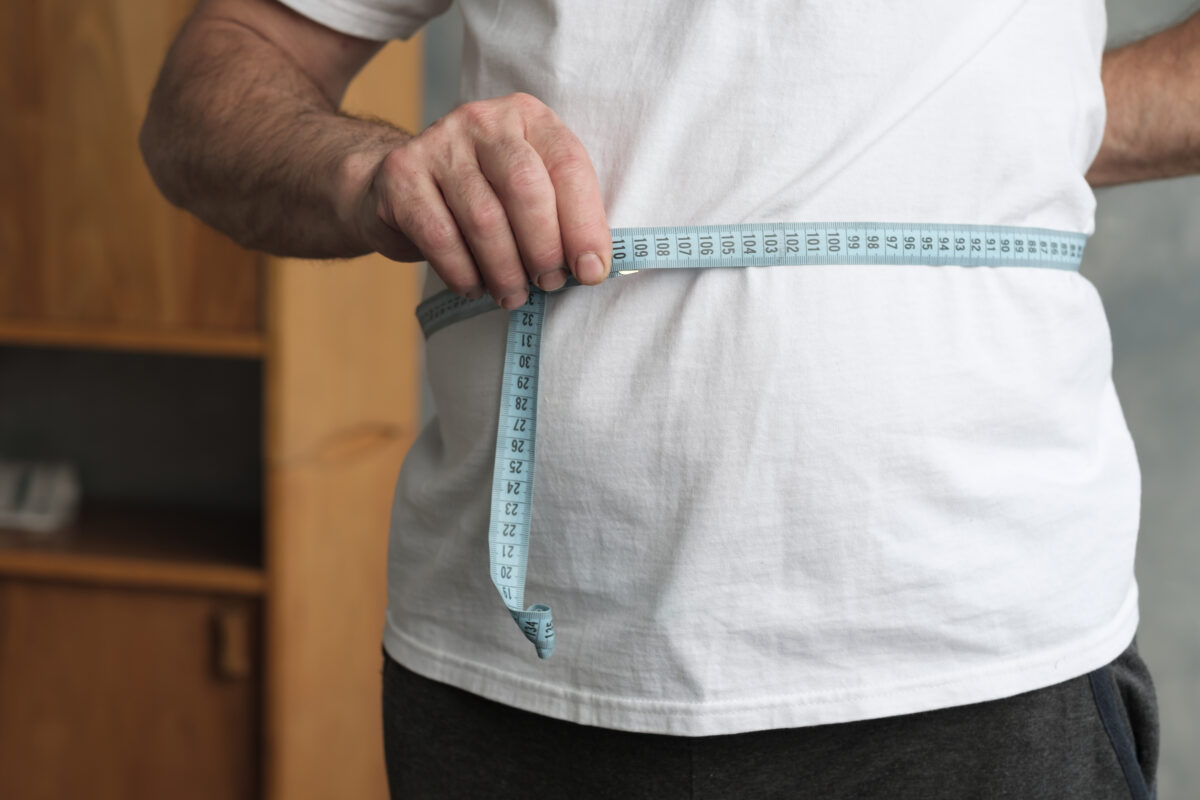
One of the biggest drivers of insulin resistance is excess visceral fat.
Unlike subcutaneous fat (fat stored under the skin), visceral fat surrounds the abdominal organs and behaves like an inflammatory organ itself. It actively releases inflammatory chemicals, disrupts hormonal signalling, and contributes to worsening metabolic health.
This is why waist circumference is often a better predictor of metabolic risk than body weight alone.
Excess visceral fat is strongly associated with:
- Elevated fasting insulin
- Increased inflammation
- Fatty liver disease
- Higher triglycerides
- Cardiovascular disease
- Lower testosterone
- Erectile dysfunction
Inflammation and Oxidative Stress
As insulin resistance worsens, the body enters a more chronically inflamed state.
Elevated insulin levels, excess visceral fat, poor sleep, sedentary behaviour, and nutrient-poor diets all contribute to inflammatory signalling throughout the body.
At the same time, oxidative stress increases.
Oxidative stress refers to an imbalance between damaging reactive oxygen species (“free radicals”) and the body’s ability to neutralise them with antioxidant systems.
Over time, this contributes to cellular damage and impaired function across multiple tissues.
This combination of inflammation and oxidative stress is one of the key reasons insulin resistance becomes harmful far beyond blood sugar control alone.
Erectile Dysfunction and Insulin Resistance: Understanding the Connection
One of the systems most affected by insulin resistance is the vascular system.
Chronically elevated insulin, inflammation, and oxidative stress damage the endothelium – the delicate inner lining of blood vessels responsible for regulating circulation and nitric oxide production.
Nitric oxide is essential for achieving and maintaining erections because it allows blood vessels to dilate and increase blood flow to erectile tissue.
When endothelial function becomes impaired, men may experience:
- Reduced erection quality
- Difficulty maintaining erections
- Reduced morning erections
- Poor exercise tolerance
- Higher cardiovascular risk
This is one reason why erectile dysfunction can sometimes be an early warning sign of underlying metabolic and cardiovascular dysfunction.
In many cases, blood vessel impairment begins years before diabetes is formally diagnosed.
How Insulin Resistance Lowers Testosterone Levels
Insulin resistance also directly affects male hormone production.
Chronic inflammation, elevated leptin levels, poor metabolic health, and excess visceral fat can interfere with the hypothalamic-pituitary-testicular axis (HPTA), the system responsible for regulating testosterone production.
Men with insulin resistance commonly experience:
- Lower testosterone levels
- Lower SHBG
- Reduced fertility
- Increased fatigue
- Brain fog
- Reduced motivation and libido
- Loss of muscle mass
- Increased fat accumulation
Low testosterone then worsens the situation further.
As testosterone declines, men often lose muscle mass, become less physically active, accumulate more visceral fat, and develop worsening insulin resistance. Skeletal muscle is one of the body’s major sites for glucose disposal, which is one reason loss of muscle mass can worsen insulin resistance further.
This creates a vicious cycle where metabolic dysfunction and hormonal dysfunction feed into one another.
Erectile Dysfunction Is Not Always “Just Low Testosterone”
Many men assume erectile dysfunction is purely hormonal, but erections are heavily dependent on vascular health.
A man can have testosterone levels that are adequate yet still experience erectile dysfunction due to insulin resistance, endothelial dysfunction, inflammation, poor blood flow, or cardiovascular disease.
Equally, low testosterone can worsen body composition, inflammation, motivation, and metabolic health — indirectly contributing further to erectile dysfunction.
This is why assessing erectile dysfunction properly requires looking beyond testosterone levels alone.
Hormonal health, vascular health, metabolic health, inflammation, sleep, and body composition are all closely interconnected.
Blood Tests That May Suggest Insulin Resistance
Insulin resistance is often developing long before someone is diagnosed with prediabetes or type 2 diabetes.
In fact, many men with insulin resistance still have “normal” glucose levels on routine blood work because the body is compensating by producing larger amounts of insulin.
This is why looking at blood sugar alone can sometimes miss early metabolic dysfunction.
Markers that may suggest insulin resistance include:
- Elevated fasting insulin
- High-normal or elevated HbA1c
- Elevated fasting glucose
- Elevated fasting triglycerides
- Low HDL cholesterol
- Raised liver enzymes, particularly ALT and GGT
- Elevated uric acid
- Increased hs-CRP (a marker of inflammation)
- Low SHBG
- Fatty liver changes on imaging
- Elevated waist circumference
- Elevated blood pressure
In men specifically, low testosterone and reduced SHBG can sometimes be clues that underlying metabolic dysfunction is present.
Best Blood Tests for Insulin Resistance Assessment
Depending on the individual, useful investigations may include:
- Fasting glucose
- Fasting insulin
- HbA1c
- Lipid profile
- Liver function tests
- hs-CRP
- SHBG
- Testosterone profile
- Blood pressure assessment
- Waist circumference
- HOMA-IR calculation (an estimate of insulin resistance derived from fasting glucose and insulin)
Blood tests should always be interpreted in context. A “normal range” result does not necessarily mean somebody has optimal metabolic health.
Can Improving Insulin Resistance Improve Testosterone?
In many cases, yes.
Improving metabolic health can significantly improve hormone function, especially in men whose testosterone suppression is being driven by obesity, inflammation, sleep issues, and poor insulin sensitivity.
Some of the most effective interventions include:
- Reducing excess body fat
- Resistance training
- Increasing daily movement
- Improving sleep quality
- Managing sleep apnoea
- Prioritising whole foods and adequate protein
- Reducing ultra-processed food intake
- Improving stress resilience
- Building muscle mass
Even relatively modest fat loss can improve insulin sensitivity and hormone function considerably.
This should always be considered before “jumping on TRT”. We need to ask ourselves “is the low testosterone reversible naturally?” Often, improving insulin sensitivity is one the key levers to pull which can make a discernible difference to your hormonal health.
TRT and Insulin Resistance
Low testosterone itself can worsen insulin resistance through reductions in muscle mass, physical performance, energy expenditure, and metabolic function.
This is one reason why properly managed TRT can improve:
- Body composition
- Insulin sensitivity
- Energy levels
- Motivation to exercise
- Glucose control in some men
However, TRT should not be viewed as a substitute for addressing lifestyle and metabolic health.
The best long-term outcomes usually occur when hormonal optimisation is combined with improvements in sleep, nutrition, body composition, and overall health behaviours.
Frequently Asked Questions
1. Can insulin resistance cause low testosterone?
- Yes.
- Insulin resistance can contribute to lower testosterone production through increased inflammation, excess visceral fat accumulation and disruption of the hypothalamic-pituitary-testicular axis.
2. Can improving insulin resistance increase testosterone naturally?
- In many cases, improving insulin sensitivity through weight loss, resistance training, improved sleep and better nutrition can support healthier testosterone levels.
3. What blood tests can detect insulin resistance?
- Common markers include fasting insulin, fasting glucose, HbA1c, triglycerides, HDL cholesterol and HOMA-IR calculations.
4.Can insulin resistance cause erectile dysfunction?
- Yes.
- Insulin resistance can impair endothelial function and nitric oxide production, reducing blood flow required for healthy erectile function.
Final Thoughts
Insulin resistance is not just a blood sugar issue – it is deeply connected to male hormonal health.
Modern lifestyles have created an environment where poor sleep, chronic stress, sedentary behaviour, inflammation, and excess visceral fat are increasingly common. These same factors are heavily linked to declining testosterone levels and worsening metabolic health.
For many men, improving insulin sensitivity can have profound effects on energy, mood, libido, erections, body composition, and overall wellbeing.
Hormones do not operate in isolation. The body’s metabolic health and hormonal health are closely intertwined.
Latest Insights
Stay up to date with latest research, tips and trends in health and nutrition.